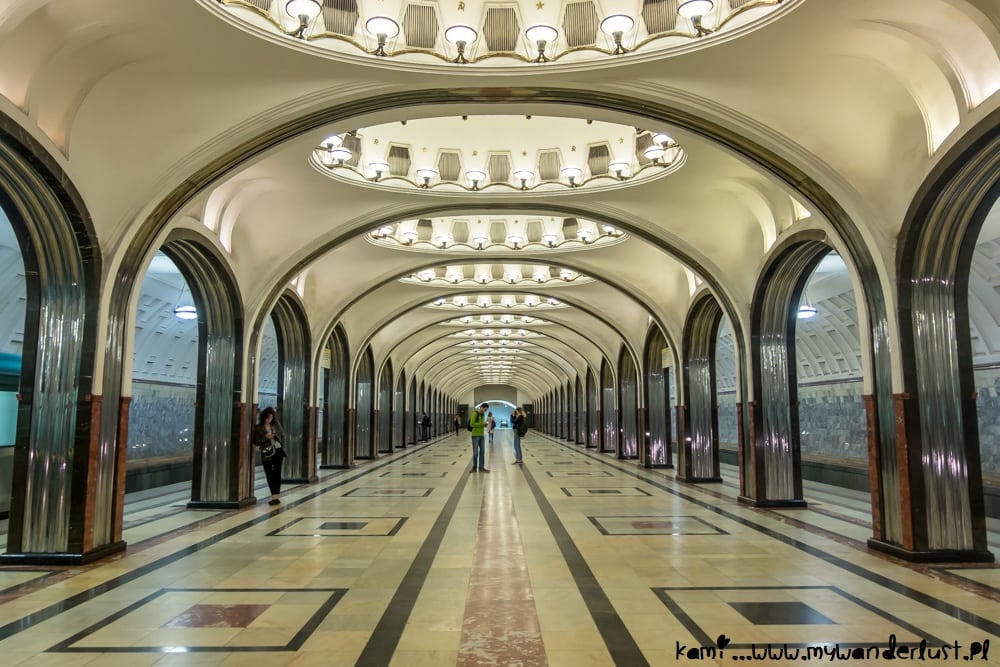
The Untold Influence of Stations on Urban Life
The role of stations in shaping urban life is often underestimated, yet their influence is both profound and far-reaching. These hubs of transportation serve as pivotal points where people converge, enhancing connectivity across different parts of the city. Beyond mere transit, they foster economic activity by attracting businesses, creating jobs, and enhancing property values in their vicinity. For instance, cities that invest in well-designed stations often witness an uptick in foot traffic, which directly benefits local retail and service sectors, thus transforming neighborhoods into vibrant community spaces.
Moreover, stations contribute significantly to the social fabric of urban areas. They are not just places to board a train or catch a bus; they are community gathering spots where diverse groups of people interact. Public spaces, including stations, play a crucial role in a city’s health and vitality
, as they foster a sense of belonging and facilitate various cultural exchanges. By encouraging the development of parks, cafes, and public artworks around these transit hubs, cities can enhance the overall urban experience, making stations not only a functional element but also a key component of urban identity.
Counter-Strike is a highly popular first-person shooter game that emphasizes teamwork and strategy. Players can choose to play as terrorists or counter-terrorists, engaging in various objectives like bomb defusal or hostage rescue. For players looking to improve their skills, it's also essential to keep an eye on the latest technology, such as Top 10 charging stations for their gaming setups.
How Public Transportation Hubs Foster Community Connections
Public transportation hubs serve as vital meeting points within urban landscapes, creating a sense of community among diverse groups of people. By facilitating access to public transit, these hubs encourage social interactions, cultural exchanges, and economic opportunities. In doing so, they can foster essential community connections, allowing individuals from various backgrounds to share experiences and resources. Moreover, the design of these spaces often incorporates community-oriented features like open markets, parks, and art installations, making them more inviting places for gatherings.
Furthermore, the presence of public transportation options significantly enhances local economies by attracting businesses and tourists alike. Small businesses can thrive when they are easily accessible via public transit, leading to increased foot traffic and improved economic vitality within neighborhoods. Additionally, transportation hubs often serve as focal points for community events, such as farmers' markets or cultural festivals, which further solidify community bonds and promote local talent. In essence, the importance of these hubs extends beyond mere transportation; they are foundational in building stronger, more connected communities.
What Makes Train Stations the Pulse of City Culture?
Train stations serve as vital crossroads in urban landscapes, acting as gateways that connect diverse communities and cultures. In bustling cities, they are often the first point of contact for visitors and locals alike, epitomizing a city’s spirit and dynamism. The architecture of a train station can reflect the historical context of a city, showcasing its evolution over time. Furthermore, these hubs are gathering places where daily commuters, tourists, and street performers intersect, creating a vibrant atmosphere that pulsates with life. Passengers are not merely transitioning from one destination to another; they are participating in a living tapestry of urban culture, enriched by the interactions and experiences shared in this unique space.
Moreover, train stations often host cultural events and activities that further enhance their role as cultural epicenters. From art installations to live music performances, many stations embrace their identity as platforms for creativity and expression. These events foster a sense of community, encouraging engagement and interaction among diverse groups of people. Additionally, the surrounding areas of train stations often thrive with various businesses, including cafes, boutiques, and galleries, creating a vibrant ecosystem that attracts both locals and tourists. In essence, train stations are not just transit points; they are the heartbeat of the city, reflecting its culture, history, and unity.