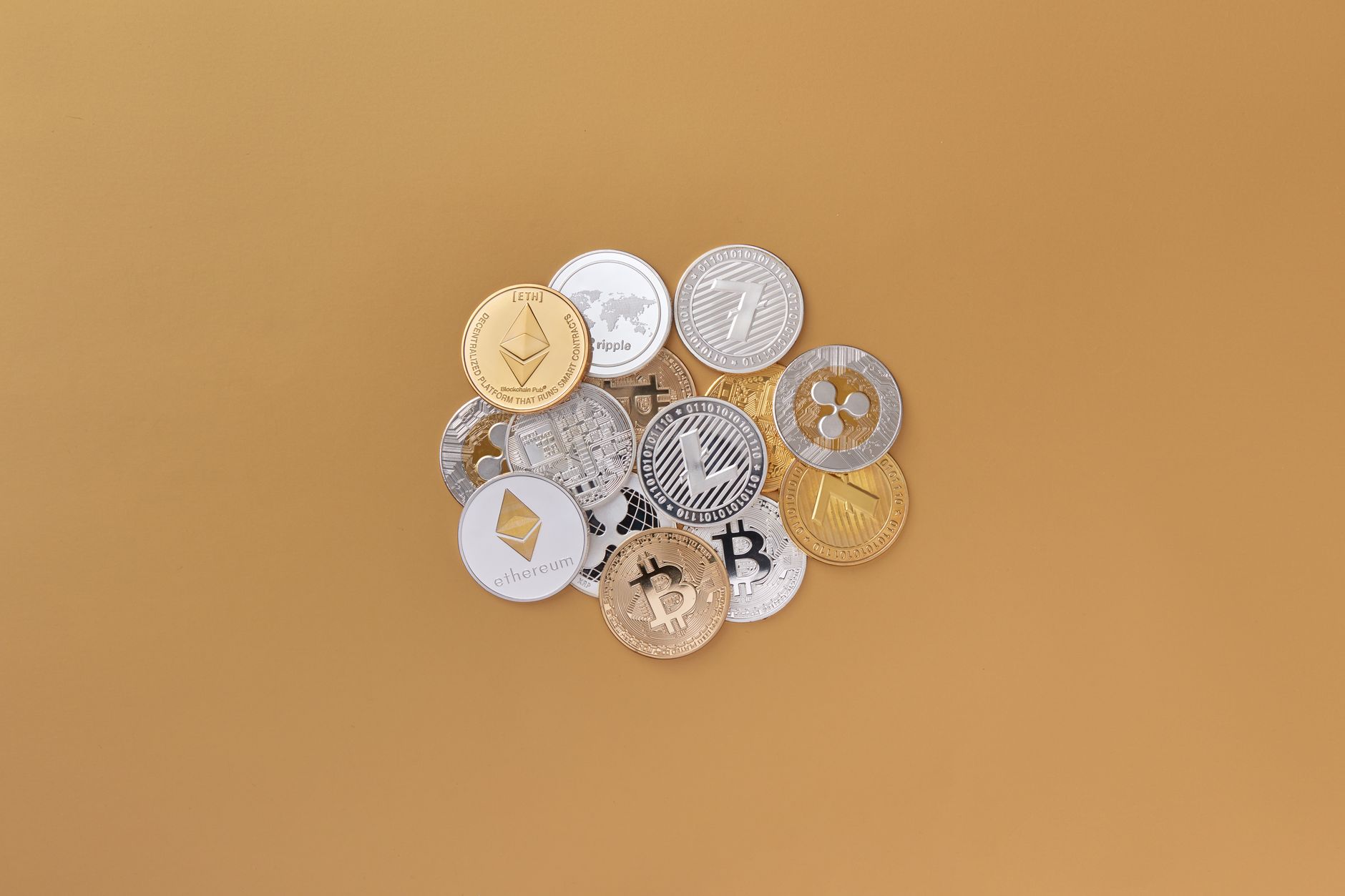
Understanding the 'Why': Why Can Crypto Withdrawals Feel Complicated?
At first glance, the process of withdrawing cryptocurrency might seem straightforward: you sell, you transfer. However, the reality often presents a labyrinth of steps and potential pitfalls, leading many users to feel overwhelmed. One primary reason for this complexity stems from the decentralized and unregulated nature of the crypto world itself. Unlike traditional banking, where established protocols and intermediaries simplify transactions, crypto operates on a peer-to-peer basis, often requiring users to understand underlying blockchain mechanics, wallet types (hot vs. cold), and gas fees. This foundational difference necessitates a higher degree of user knowledge and responsibility, contributing significantly to the perceived difficulty.
Another major contributor to the complexity lies in the sheer variety of platforms and withdrawal methods available. Users might be trying to withdraw from a centralized exchange (CEX) like Binance or Coinbase, a decentralized exchange (DEX) like Uniswap, or directly from a self-custody wallet. Each platform has its own unique interface, security protocols, and withdrawal limits. Furthermore, the choice of withdrawal method – direct bank transfer, stablecoin conversion, or even peer-to-peer (P2P) trading – introduces further layers of decision-making and potential friction. Navigating these diverse options, understanding associated fees, and ensuring compatibility between wallets and exchanges can quickly become a daunting task for even moderately experienced users.
Finally, the interplay of security measures and regulatory compliance often adds significant hurdles to the withdrawal process. To combat fraud and money laundering, many reputable exchanges implement strict Know Your Customer (KYC) and Anti-Money Laundering (AML) procedures. This can involve extensive identity verification, multi-factor authentication (MFA), and withdrawal hold periods, all designed to protect both the user and the platform. While essential for security, these measures can feel cumbersome and slow down the withdrawal process considerably. Additionally, varying international regulations regarding crypto can further complicate matters, requiring users to be aware of jurisdictional limitations and reporting requirements, thereby amplifying the overall sense of difficulty.
See also: Cryptocurrency (Wikipedia) — Provides foundational understanding of cryptocurrencies, which are central to crypto casinos and their withdrawal processes.
Your Withdrawal Toolkit: Essential Prep for a Smooth Cash-Out
Before initiating any withdrawal, a thorough review of your account settings is paramount. Confirm that all your personal and banking information is accurate and up-to-date. Mistakes here can lead to significant delays or even failed transactions. Pay particular attention to your linked bank accounts, e-wallet details, or cryptocurrency addresses. Many platforms require verification steps for new or changed withdrawal methods, so addressing these proactively will save you a headache later. Consider this a pre-flight check for your funds – ensuring every instrument is properly calibrated for a smooth journey from your digital balance to your actual pocket. A few minutes spent meticulously checking these details can prevent hours of frustration and back-and-forth with customer support.
See also: SEC Charges Dozens of Individuals in Crypto Fraud Schemes — Highlights the regulatory landscape and potential risks associated with crypto, relevant for understanding security and legal aspects of withdrawals.
Familiarizing yourself with the platform's specific withdrawal policies is another critical step in preparing for a smooth cash-out. Not all platforms are created equal when it comes to processing times, fees, and daily or monthly limits. Look for dedicated sections on their website, often titled 'FAQs,' 'Withdrawal Policies,' or 'Terms and Conditions.' You'll want to understand:
- Minimum and maximum withdrawal amounts: Ensure your desired amount falls within these parameters.
- Associated fees: Be aware of any percentage-based or flat fees that might be deducted.
- Processing times: Knowing the expected timeframe will manage your expectations and prevent unnecessary anxiety.
Understanding these nuances upfront empowers you to choose the most efficient and cost-effective withdrawal method available to you.
Finally, gather all necessary documentation that might be required for identity verification (KYC - Know Your Customer) or proof of address. Even if you've previously verified your account for deposits, some platforms might request additional documentation for withdrawals, especially for larger sums or if your account activity has changed. Common documents include: government-issued IDs (passport, driver's license), utility bills, or bank statements. Having these readily accessible in a digital format can significantly expedite the verification process. Think of it as having your 'withdrawal passport' stamped and ready for departure. Proactive preparation of these documents can transform what could be a multi-day delay into a swift, seamless transaction, getting your hard-earned funds into your hands much faster.
The Step-by-Step Breakdown: From Wallet to Fiat – A Practical Guide
Navigating the transition from cryptocurrency to traditional fiat currency can seem daunting, but with a clear understanding of the process, it becomes straightforward. This section will guide you through the essential steps, ensuring a smooth and secure conversion. The first crucial step involves choosing a reliable and reputable exchange platform. Consider factors like security protocols, supported cryptocurrencies, withdrawal limits, and associated fees. Popular options include Binance, Coinbase, Kraken, and Gemini, each offering varying features and user interfaces. Once you've selected your platform, you'll need to create an account, which typically involves a Know Your Customer (KYC) verification process. This usually entails providing personal identification documents to comply with financial regulations and prevent illicit activities.
See also: Blockchain (Investopedia) — Explains the underlying technology of cryptocurrencies, crucial for comprehending how transactions and withdrawals function on a fundamental level.
After successfully setting up and verifying your account, the next phase involves transferring your desired cryptocurrency from your personal wallet to the exchange. This is a critical step where attention to detail is paramount. Always double-check the recipient address – a single incorrect character can lead to irreversible loss of funds. Most exchanges provide a unique deposit address for each cryptocurrency. Once the transfer is complete and confirmed on the blockchain, your cryptocurrency will appear in your exchange wallet. From there, you'll need to sell your cryptocurrency for a fiat currency like USD, EUR, or GBP. This is typically done through a 'sell' order, where you specify the amount of crypto you wish to sell and the desired fiat currency. Market orders execute instantly at the current market price, while limit orders allow you to set a specific price point for the sale.
The final stage in converting your digital assets to tangible cash is withdrawing the fiat currency from the exchange to your bank account. Before initiating a withdrawal, ensure your bank account details are correctly linked and verified on the exchange platform. Most exchanges offer various withdrawal methods, including bank transfers (SWIFT/SEPA), debit card withdrawals, or even third-party payment processors. Be mindful of withdrawal fees, which can vary significantly between platforms and methods. Withdrawal times can also differ, ranging from a few hours to several business days, depending on the chosen method and your bank's processing times. Always keep records of your transactions for tax purposes, as cryptocurrency gains are often subject to capital gains tax in many jurisdictions. For those interested in alternative uses for their crypto, you might explore top crypto casino sites. By following these steps meticulously, you can efficiently and securely convert your cryptocurrency holdings into usable fiat currency.
Troubleshooting & FAQs: What to Do When Your Withdrawal Gets Stuck
Experiencing a stuck withdrawal can be incredibly frustrating, but it's important to remain calm and methodical in your approach. The first step is always to patiently review your transaction details. Double-check the recipient address, the amount, and any network fees involved. Often, a minor typo or an insufficient fee can cause a delay. Many platforms provide a transaction ID or hash; utilize this to track the status on the relevant blockchain explorer (for cryptocurrencies) or banking system. If the status indicates 'pending' for an unusually long time, or 'failed' without an immediate return of funds, it's time to move to the next stage of troubleshooting. Remember, rushing or making assumptions can often complicate the resolution process.
Should a simple review not resolve the issue, your next course of action is to contact the platform's support team immediately. Most reputable services have dedicated customer support channels, including live chat, email, or a ticketing system. When reaching out, provide all relevant information upfront: your account ID, the withdrawal date and time, the exact amount, the recipient address, and any transaction IDs you have. Be clear and concise in your explanation of the problem. Some platforms might ask for additional verification to ensure the security of your funds, so be prepared to provide necessary documentation. Persistence is key here; follow up politely if you don't receive a response within their stated timeframe.
While awaiting a resolution from support, there are a few additional avenues to explore, particularly if the issue seems widespread or you suspect a technical glitch.
Check community forums and social media for similar reports. Other users might be experiencing the same problem, and collective reporting can sometimes expedite a solution.Also, ensure your internet connection is stable and that you're using the latest version of the platform's app or website. Sometimes, browser cache issues or outdated software can interfere with transaction processing. If the withdrawal is to an external wallet or bank, contact that institution's support as well to confirm if they have received any incoming transaction attempts. This comprehensive approach ensures you're covering all bases while the primary support team investigates.
Frequently Asked Questions
What's the typical withdrawal process at a crypto casino?
Generally, you navigate to the 'Cashier' or 'Withdraw' section of your casino account. Select your preferred cryptocurrency, enter the amount you wish to withdraw, and provide your personal crypto wallet address. Always double-check the address for accuracy before confirming the transaction.
Are there any fees associated with crypto casino withdrawals?
Most crypto casinos charge a small network fee (blockchain fee) for withdrawals, which varies by cryptocurrency and network congestion. Some casinos might also have their own processing fees. These fees are usually displayed transparently before you confirm the withdrawal.
How long does it usually take to receive my crypto withdrawal?
Crypto withdrawals are often processed much faster than traditional banking methods, typically ranging from a few minutes to a few hours. The exact time depends on the specific cryptocurrency, network congestion, and the casino's internal processing times. Larger withdrawals might undergo additional security checks.
What if my crypto withdrawal is pending for a long time or fails?
First, check your transaction history within the casino and on the relevant blockchain explorer for its status. If it's still pending after an extended period, or if it failed, contact the casino's customer support immediately. Provide them with the transaction ID and any relevant details for a quicker resolution.