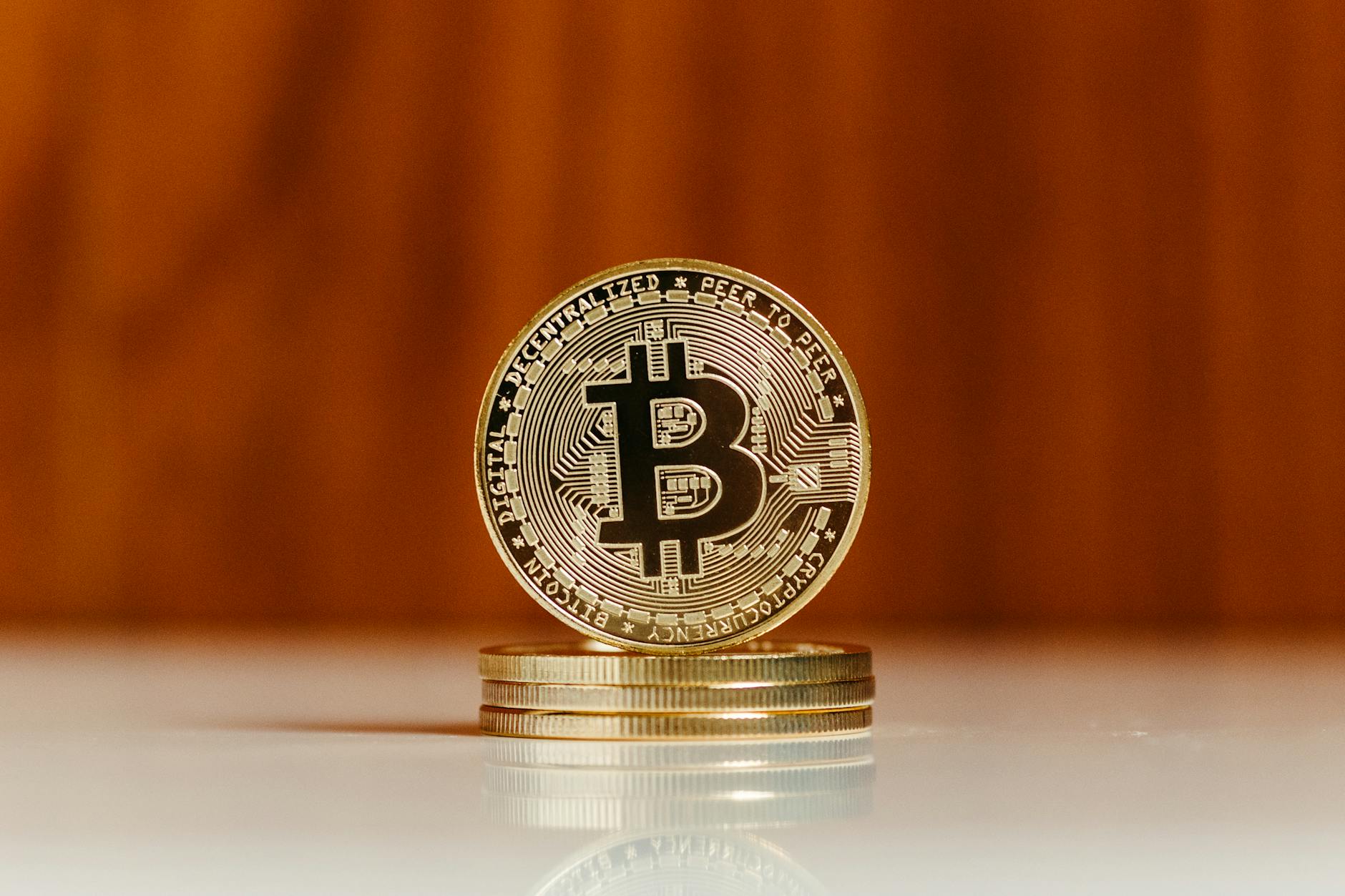
Navigating Your First Crypto Casino Deposit: Step-by-Step & Common Pitfalls
Embarking on your first crypto casino deposit can feel like entering a new digital frontier, but with a clear roadmap, it's a straightforward process. The initial step typically involves selecting a reputable crypto casino and creating an account. Once registered, navigate to the 'Deposit' section, where you'll be presented with a list of supported cryptocurrencies like Bitcoin (BTC), Ethereum (ETH), or Litecoin (LTC). Choose your preferred coin and the casino will generate a unique deposit address. This address is crucial; it's where you'll send your funds from your personal crypto wallet.
Always double-check the address before initiating the transfer, as an incorrect address can lead to irreversible loss of funds.The process is designed for security and efficiency, ensuring your digital assets reach their destination safely.
While the deposit process is generally user-friendly, being aware of common pitfalls can save you from unnecessary frustration. One frequent mistake is sending the wrong cryptocurrency to a specific address – for instance, sending Ethereum to a Bitcoin address. Ensure the coin you're sending matches the coin associated with the deposit address provided by the casino. Another crucial aspect is understanding network fees and confirmation times. Different cryptocurrencies have varying network speeds and transaction costs. For example, Bitcoin transactions can sometimes take longer to confirm than those on faster networks like Litecoin. Furthermore, always be mindful of minimum deposit limits and any associated bonuses or promotions. Reading the casino's terms and conditions thoroughly regarding deposits and withdrawals will help you avoid any unexpected surprises and ensure a smooth, enjoyable gaming experience.
A cryptocurrency casino offers a modern and often anonymous way to gamble online, utilizing various digital currencies like Bitcoin, Ethereum, and Litecoin for deposits, withdrawals, and gameplay. These platforms often boast provably fair games, enhanced security, and faster transactions compared to traditional online casinos, appealing to a tech-savvy audience seeking a decentralized gaming experience.
Beyond Bitcoin: Exploring Altcoin Deposits, Stablecoin Strategies, and Fees Explained
While Bitcoin remains the undisputed king of cryptocurrency, a vast and vibrant ecosystem of altcoins offers diverse functionalities and investment opportunities. Understanding how to deposit these alternative digital assets is crucial for expanding your crypto portfolio. Many exchanges support a wide range of altcoins, each with its own network and deposit address. It's imperative to double-check the selected network (e.g., ERC-20 for Ethereum-based tokens, BEP-20 for Binance Smart Chain) and the corresponding deposit address to avoid irreversible loss of funds. Furthermore, exploring stablecoin strategies can be a game-changer for managing volatility. Stablecoins like USDT or USDC, pegged to fiat currencies, provide a safe haven during market downturns and facilitate easier entry and exit from more volatile assets without fully converting back to traditional money. Consider using them for dollar-cost averaging or temporarily parking profits.
Navigating the world of crypto deposits and withdrawals inevitably involves understanding fees. These charges can vary significantly depending on several factors, including the cryptocurrency, the blockchain network congestion, and the specific exchange you are using. Generally, transaction fees on the blockchain are paid to miners or validators for processing and securing the network. Exchanges often add their own service fees for facilitating the deposit or withdrawal. It's wise to:
- Compare fee structures across different platforms before making a deposit.
- Be aware of minimum deposit/withdrawal limits, as these can impact smaller transactions.
- Consider the time of day, as network congestion can sometimes lead to higher gas fees on certain blockchains, particularly Ethereum.
By carefully evaluating these fee structures, you can optimize your transactions and ensure more of your capital remains invested.