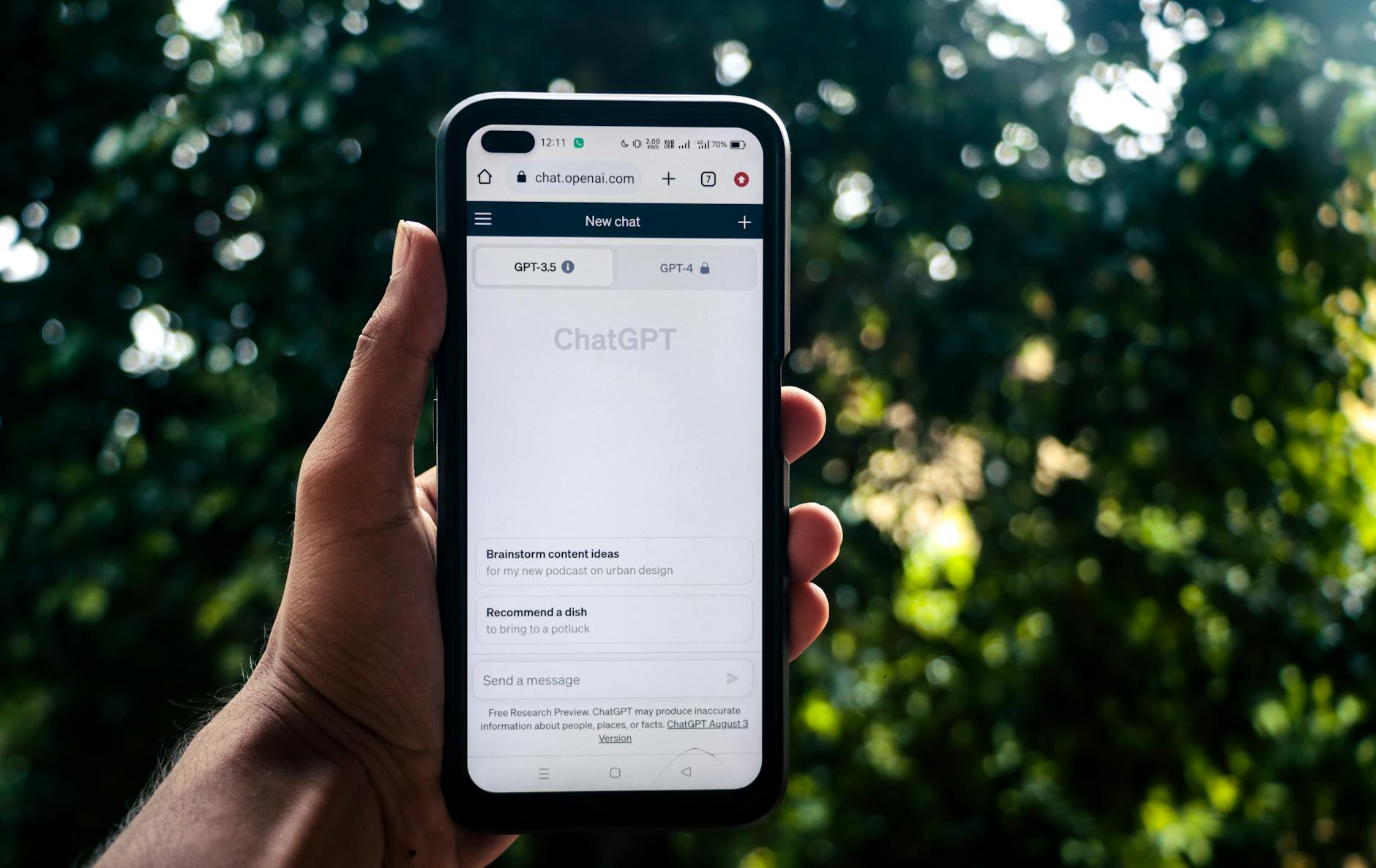
From Open Source to Enterprise: Understanding the Transition with GPT-OSS 120B
The journey from open source projects to enterprise-grade solutions often involves a significant evolution in terms of features, support, and reliability. Open source initiatives, while fostering innovation and community collaboration, may not always meet the stringent demands of large organizations regarding security, scalability, and long-term maintenance. This is where models like GPT-OSS 120B become invaluable. By leveraging the vast knowledge base derived from open-source contributions, GPT-OSS 120B can assist in identifying potential gaps, suggesting enterprise-ready features, and even automating aspects of code refactoring to align with corporate standards. It bridges the conceptual divide, transforming a community-driven project into a robust, supportable product suitable for mission-critical applications.
Navigating this transition requires a deep understanding of both the open-source ethos and the specific requirements of the enterprise. It's not simply about adding a support contract; it involves a fundamental shift in development methodologies, testing protocols, and documentation standards. GPT-OSS 120B can play a crucial role in this process by:
- Analyzing existing open-source codebases for potential vulnerabilities and performance bottlenecks.
- Proposing architectural changes to enhance scalability and fault tolerance.
- Generating comprehensive documentation that meets enterprise auditing requirements.
- Assisting in the creation of robust test suites to ensure product stability.
Leveraging GPT-OSS 120B in the Enterprise: Practical Strategies, Use Cases, and FAQs
Harnessing the power of GPT-OSS 120B within an enterprise setting unlocks a new frontier of efficiency and innovation. Practical strategies revolve around a phased implementation, starting with targeted use cases that demonstrate immediate ROI. For instance, automating customer support with an intelligent chatbot or streamlining content generation for marketing campaigns can significantly reduce operational overhead. Businesses should also consider fine-tuning the base model with proprietary data to achieve unparalleled accuracy and relevance, ensuring the AI speaks the language of their brand. Moreover, establishing robust governance frameworks is paramount, addressing concerns around data privacy, ethical AI use, and output validation to build trust and mitigate risks. The key is to view GPT-OSS 120B not just as a tool, but as a strategic partner in driving business transformation.
The application of GPT-OSS 120B extends across a diverse range of enterprise functions, offering tangible benefits. Consider these compelling use cases:
- Enhanced Customer Experience: Deploying AI-powered virtual assistants for 24/7 support, personalized recommendations, and instant query resolution.
- Accelerated Content Creation: Generating high-quality drafts for blogs, reports, product descriptions, and social media posts, freeing up human resources for strategic tasks.
- Data Analysis and Insights: Summarizing lengthy documents, identifying trends in market research, and assisting in report generation, providing quicker access to actionable intelligence.
- Code Generation and Debugging: Aiding developers in writing boilerplate code, suggesting improvements, and even identifying potential bugs, speeding up development cycles.