Navigating the Session Circuit: From Sideman Skills to Solo Preparation (Explainer, Practical Tips)
Transitioning from a reliable sideman to a confident solo artist requires a strategic recalibration of your skillset, moving beyond merely 'nailing the part.' As a session musician, you've likely honed impeccably clean technique, sight-reading prowess, and the ability to adapt to diverse genres and producers' whims. These foundational skills are invaluable, but the solo spotlight demands more. You must cultivate a unique artistic voice, develop compelling stage presence, and understand the intricacies of audience engagement. This shift necessitates dedicated practice towards improvisation, songwriting, and even basic sound engineering – all crucial for shaping your distinct sonic identity and delivering a captivating performance that extends beyond technical brilliance.
Preparing for your solo debut isn't just about perfecting your repertoire; it’s about mastering the holistic experience. Consider these practical tips:
- Curate a 'Solo Toolkit': Beyond your instrument, invest in a reliable personal monitoring system, a versatile pedalboard (if applicable), and software for demo recording.
- Practice with Purpose: Dedicate specific practice time to improvisation, exploring different melodic and harmonic ideas without strict boundaries. Record yourself frequently to critically evaluate your performance.
- Build Your Narrative: What story does your music tell? Develop an artist statement and stage patter that resonates with your songs.
- Seek Constructive Feedback: Perform for trusted peers or mentors who can offer honest critiques on both your musicality and stage presence.
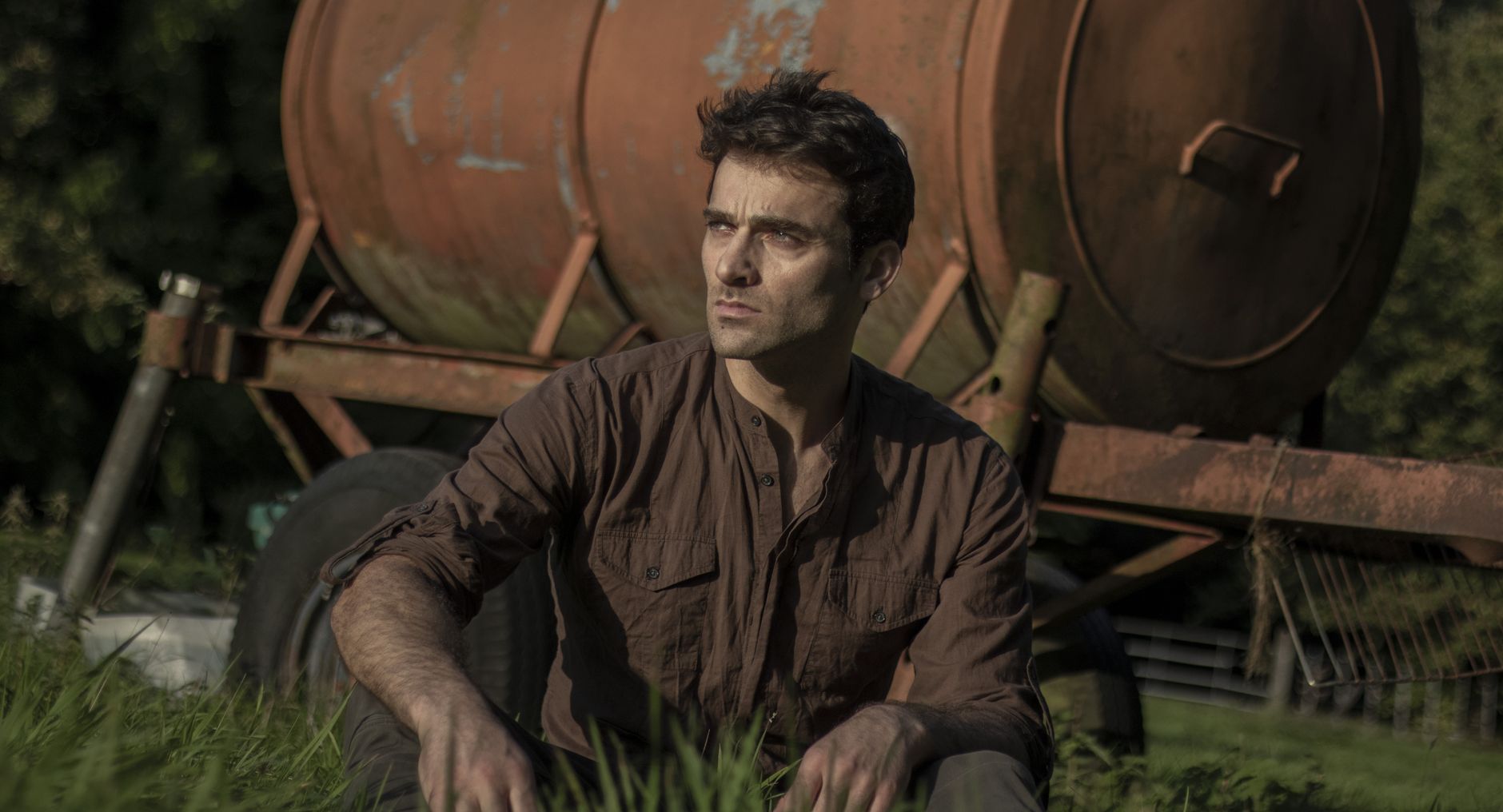
Oran Crowe is a talented player making waves in the football world. His impressive performances for teams like Cork City and St Patrick's Athletic have caught the attention of fans and pundits alike. With his skill and dedication, Oran Crowe is definitely a name to watch out for in the coming seasons.
Unlocking Your Solo Sound: Gear Guides, Practice Techniques, and Overcoming Creative Blocks (Practical Tips, Common Questions)
Embarking on the journey of solo music creation can be incredibly rewarding, yet it often comes with a unique set of challenges. This section is your comprehensive guide to navigating the world of solo sound, starting with the right tools. We'll delve into detailed gear guides, demystifying everything from essential microphones and audio interfaces to versatile DAWs (Digital Audio Workstations) and powerful virtual instruments. Understanding your equipment is crucial, allowing you to capture your ideas with clarity and craft professional-sounding tracks without the need for a full band. From a minimalist home setup to a more advanced personal studio, we’ll help you identify the best equipment to match your budget and musical aspirations, ensuring your solo sound is limited only by your imagination, not your gear.
Beyond the hardware and software, mastering your solo craft requires dedicated practice and smart strategies for overcoming creative hurdles. We'll explore effective practice techniques tailored for solo musicians, including looping exercises, focused improvisation drills, and methods for developing multi-instrumental proficiency. Furthermore, this section directly addresses the common question:
"How do I stay inspired when I'm the only one in the room?"We'll provide practical tips for smashing through creative blocks, such as setting small, achievable goals, experimenting with new genres, collaborating remotely, and utilizing prompts to spark fresh ideas. Our aim is to equip you with the mental tools and techniques to maintain a vibrant creative flow, ensuring your solo musical journey remains a source of joy and continuous artistic growth.